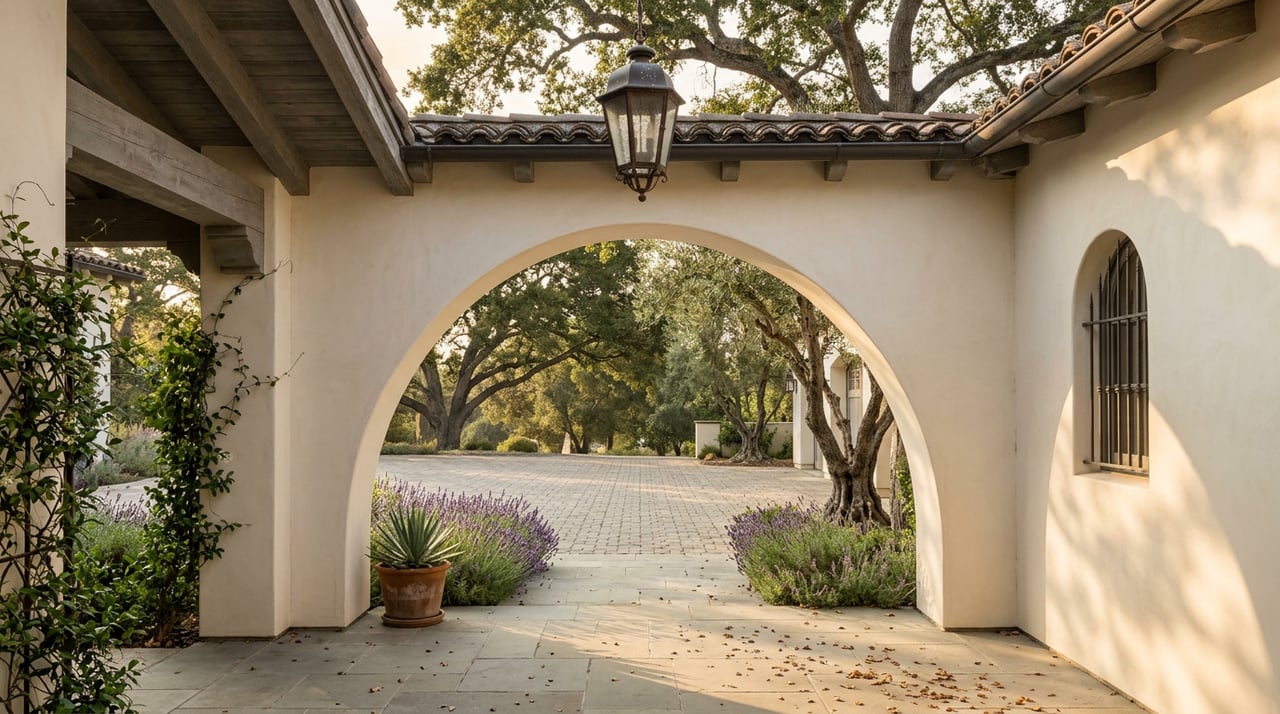
A small cluster of wineries sits within Pleasanton's city limits along Vineyard Avenue, and none of them require a festival ticket to walk in this week. That distinction matters more than it sounds like it should, because a short drive east, the Livermore Valley is mid-sprint into its fourth annual TASTE: The Livermore Valley Wine Experience, a four-day, mid-October run of thirteen ticketed events, several of which are already sold out. The corridor residents drive every day runs on a different clock entirely.
The Cluster You Drive Past Every Day
Within Pleasanton proper, the cluster on Vineyard Avenue includes Rubino Estates at 1188 Vineyard Avenue, Ruby Hill at 400 Vineyard Avenue, Palm Event Center at 1184 Vineyard Avenue, Tenuta Vineyards, and Elliston Vineyards. Ruby Hill also runs Casa Real Events, its dedicated event space at 410 Vineyard Avenue. These aren't pop-ups riding a festival calendar. Ruby Hill traces back to 1887, and its wines went on to show at the 1893 World's Fair in Chicago, with favorable notices later published in the London Journal of the Society of Arts. The Callahan family has spent the last decade rebuilding that legacy, and the estate now farms 150 acres across more than fifteen grape varietals under two working labels.
Rubino Estates, just up the road, takes a different approach: an 8,000-square-foot tasting room built around Italian varietals like Sangiovese, Barbera, and Trebbiano alongside Chardonnay and Cabernet Sauvignon, with an on-site Italian deli for small bites and an estate bocce court. Both wineries keep the same daily hours, open from 11 a.m. to 5:30 p.m. seven days a week. Reservations are recommended for Saturday and Sunday visits, but Monday through Friday, no reservation is needed at either address. That's the detail that separates this stretch of road from what's happening elsewhere in the valley this month.
What TASTE Weekend Adds, Without Touching Your Street
The wider Livermore Valley wine scene keeps expanding in ways the Vineyard Avenue cluster hasn't. Two new tasting rooms, Shanti Winery and Cellar 13, opened this fall ahead of the festival, both minority- and woman-owned. Shanti was opened by San Ramon residents Dimple and Ray Sharma. Cellar 13 built its reputation on Cherokee-inspired label art and a run of recent competition wins, including three awards for its 2025 Sidanelv at the California Signature Wine Award competition. Both are part of a broader valley story about new ownership entering the AVA, separate from the small, long-running cluster of names Pleasanton residents already know on Vineyard Avenue itself.
TASTE itself is built around headline events spread across the valley rather than concentrated on this corridor. "Cattle, Cabernet & Country" at McGrail Vineyards pairs live country music and ranch-inspired food with wine pours in mid-October. A separate event, "Taste YOUR Terroir," puts visitors in the vineyard of Julio Covarrubias, described in coverage as a legendary Livermore grape grower, for a guided tour, tasting, and picnic on October 17 at Casa de Viñas Vineyard. Several other TASTE events, including "Taste Our Terroir," "Sips & Sourdough," and the new "A Taste of Stories," had already sold out as of late September, according to the festival's organizers. None of that requires booking months out if you live on Vineyard Avenue itself. The corridor's own tasting rooms don't sell tickets to a weekend. They sell a glass, on a Tuesday, without a waitlist.
Why the Corridor Has Stayed This Size
The Pleasanton Planning Commission has a reason this stretch hasn't grown into a bigger winery district the way Livermore keeps expanding. On September 23, the commission took up an application for three new single-family homes on a 20-acre site along Brozosky Hill Lane, filed under the city's Vineyard Avenue Corridor Specific Plan, a zoning framework covering a 384-acre area adopted back in 1999. City staff described the project as sensitively designed around the site's natural topography and, more importantly, as serving a specific function: creating what the staff report called a transition area between more urbanized portions of Pleasanton to the east and open space to the west. The proposed home sites would sit parallel to the Vineyard Avenue trail, reached only through a privately maintained access easement rather than a new public road.
That's the mechanism behind the corridor's stability. The specific plan treats Vineyard Avenue less as a development pipeline and more as a buffer, which is why the small winery cluster here has held steady even as Livermore itself keeps adding tasting rooms and pouring events. The road isn't zoned to become the next commercial wine district. It's zoned to stay the quiet edge between the city and the hills, and the cluster within it reflects that intent rather than working against it.
A Weeknight Here Looks Different Than A Festival Saturday
The practical version of all this: a weeknight stop at Rubino Estates or Ruby Hill Winery means walking in around 5 p.m. on a Wednesday, no reservation, likely some open patio seating, and a tasting flight without competing for a pour with a bus tour. A festival Saturday a short drive away means a ticketed slot, a set arrival window, and the real possibility that the event you wanted sold out weeks earlier. Vineyard Avenue addresses aren't especially walkable in the traditional sense. A Walk Score reading for a home on this stretch comes in around 63, categorized as somewhat walkable, meaning some errands can be done on foot but a car still gets you to most of them faster. What the corridor offers instead is proximity without the ticketing structure. You can be at a working winery estate that dates back to 1887 in less time than it takes to find parking downtown.
None of this is an argument that Vineyard Avenue is missing out on the valley's bigger wine moment. It's evidence that the corridor already has its version of that moment, running on repeat, every week the tasting rooms are open. TASTE weekend gives the rest of the valley a reason to show up in October. Vineyard Avenue residents already have a reason to stop on the way home.
If you're weighing what a home along this corridor is actually worth, given its protected buffer zoning and the wineries that come with it, Armario Homes can walk you through what that combination means for value and long-term feel. Reach out to schedule a free consultation.