The open space above Lund Ranch Road has a trail and wide views, and hikers come for both. The land itself is held for an amphibian about the length of your hand that spends most of its life in a ground squirrel burrow and comes out on a few wet nights a year. Those nights usually start once the fall rains come in.
A trail that arrived with the houses
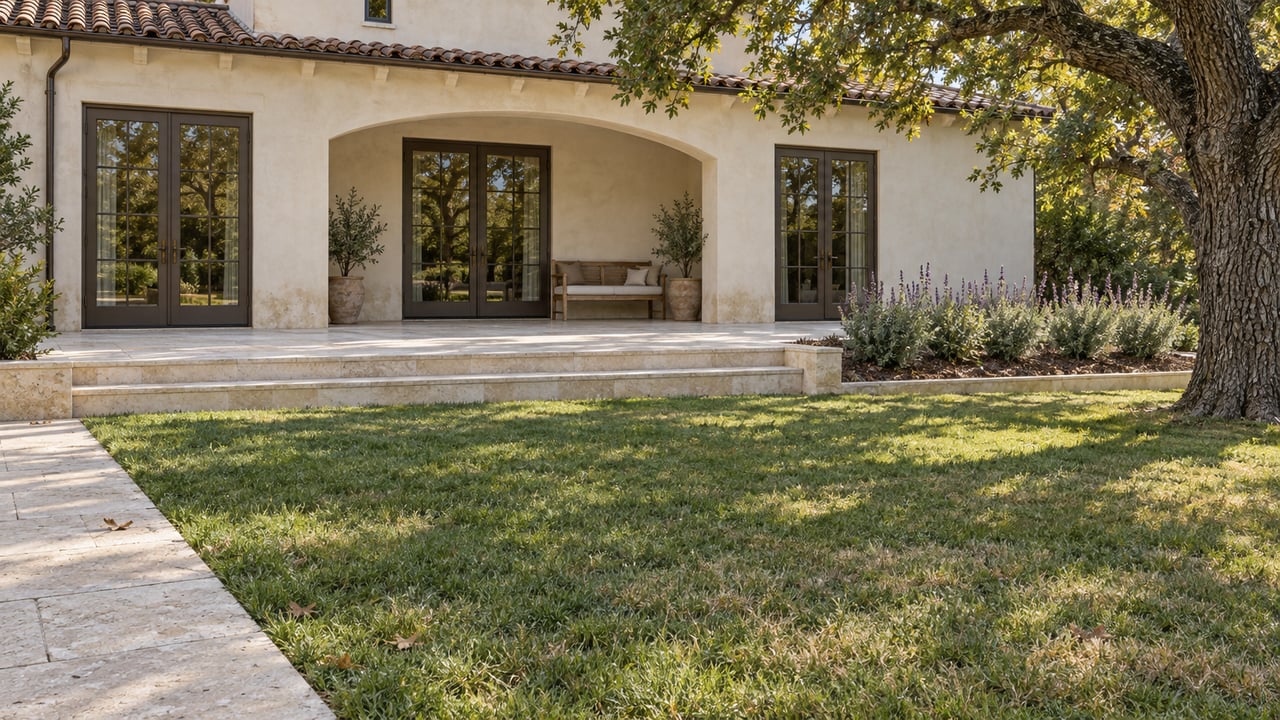
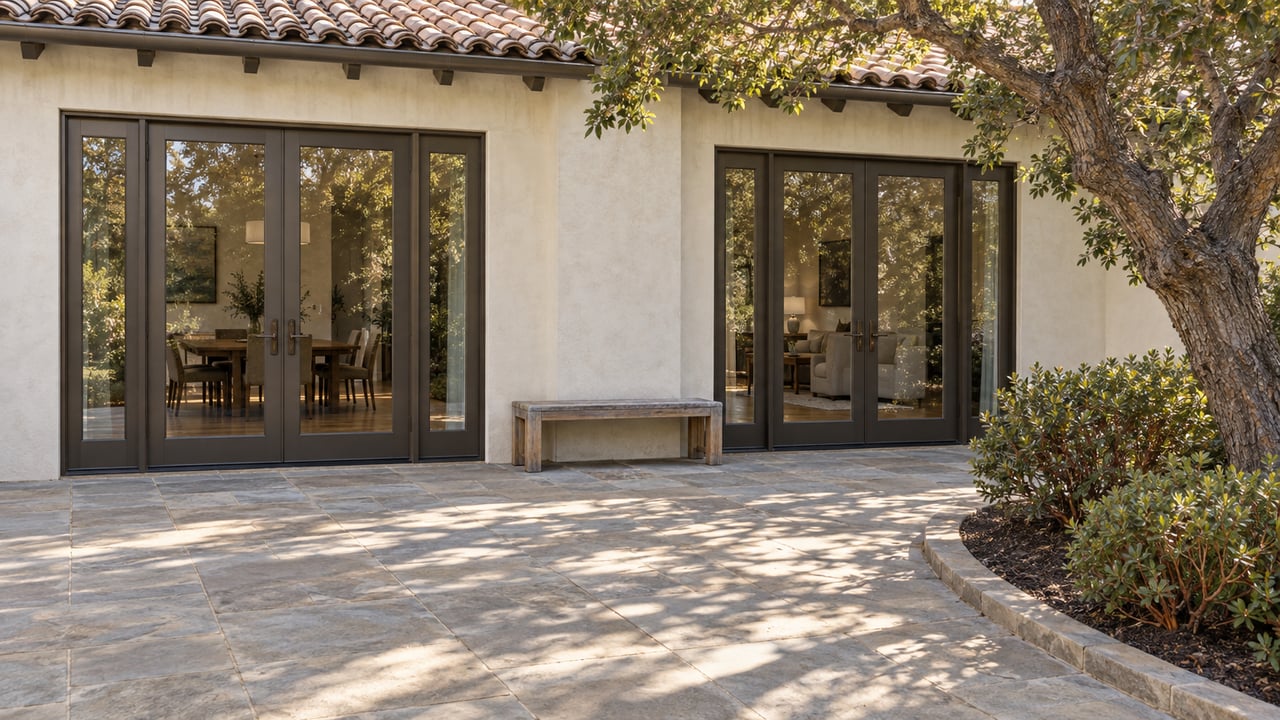
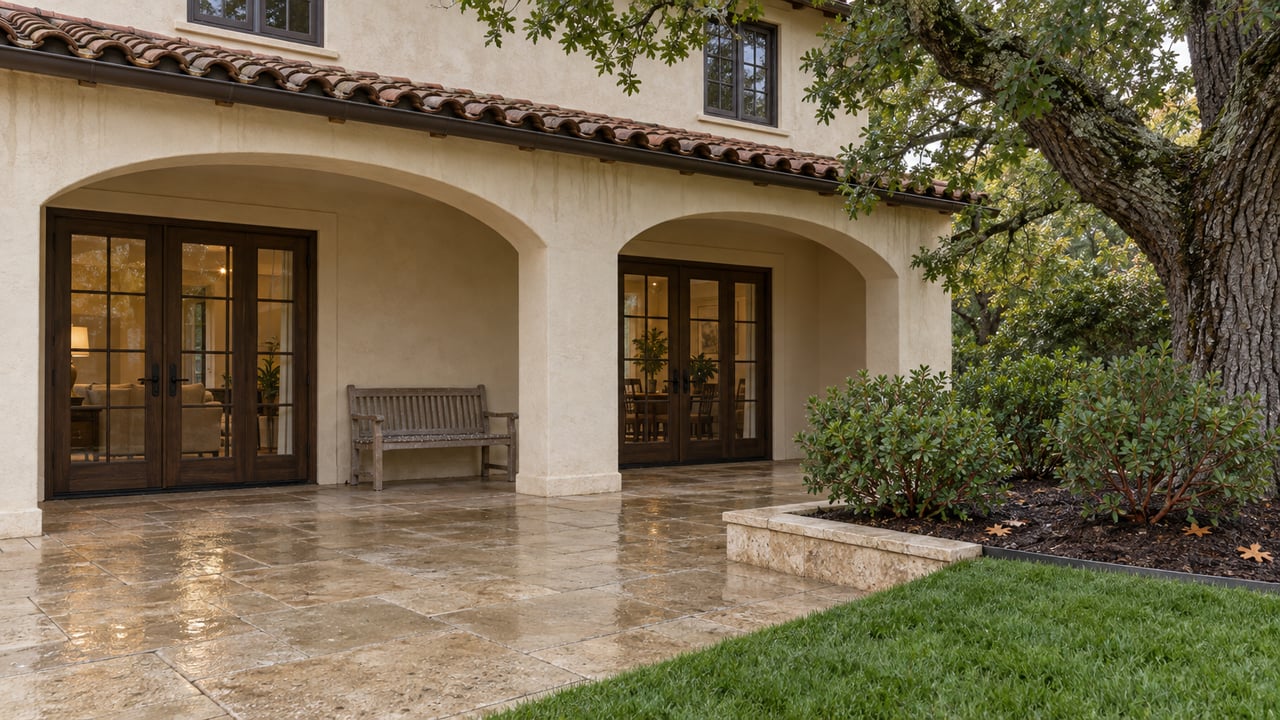
The new homes at 1500 Lund Ranch Road carry a new name. A City of Pleasanton staff report, presented to the City Council on August 19, 2025, lists the subdivision as Tract 8352, "Diamond Canyon," by Toll West Coast LLC, "formerly known as Lund Ranch." The council agenda describes a 195-acre property approved in January 2016. It was divided into 43 single-family lots, public streets, open space parcels, and a 168-acre remainder that was deeded to the City as permanent open space. Tri-Valley Conservancy manages about 76 of those acres through a conservation easement. A City development update from July 2025 rounds the dedicated open space to about 160 acres.
The same report gives the Diamond Canyon Homeowners Association several jobs at the edge of that land: the fire break, a habitat restoration area, the open space mitigation trees, and the open space drainage infrastructure. It also notes a rustic recreational trail with a pedestrian bridge inside the remainder parcel, which the City will maintain.
How the trail got built explains why it exists at all. At a December 17, 2024 East Bay Regional Park District board meeting, a speaker used Lund Ranch to show how hard trail permitting can be for a public agency:
"City of Pleasanton recently opened trails in the Lund Ranch on the Lund Ranch property, but they were able to do that by having the trails constructed by the developer before the land became part of City of Pleasanton."
The speaker said the developer did not face the same permitting requirements the City would have had to meet. Building the trail first and handing over the land afterward is how a public path ended up on habitat land without the slow process an agency would have gone through.
What the land is held for
Tri-Valley Conservancy describes Lund Ranch as upland habitat for the California tiger salamander. The conservancy has protected the land with the City since the early 2020s. "Upland" is the important word. The U.S. Fish and Wildlife Service's 2017 recovery plan for the Central California population says that once a young salamander leaves its home pond and goes into a burrow, "it will then spend the vast majority of its life underground." Alameda County is within that population's range.
The salamanders don't dig those burrows. USFWS names California ground squirrel and pocket gopher burrows as the shelters they use outside the breeding season. The California Department of Fish and Wildlife says the salamanders cannot dig their own burrows or dig their way out of one that has been plugged. It also says eradicating ground squirrels harms the salamanders, because without the squirrels the burrow systems fall apart within a few years. On this hillside, the squirrel holes along the grassland are part of the habitat the land is protected for.
The hillside's year, month by month
The conservancy's public events and the agency life-cycle data follow the same calendar. Here is the year above Diamond Canyon, using dates from the most recent cycle:
| When | What happens on or under the hillside | Source |
|---|---|---|
| Rainy nights, usually November through April, sometimes as early as October | Adult salamanders leave their burrows, travel to breeding ponds, then return | USFWS recovery plan |
| After the first half-inch of autumn rain through mid-March | CDFW's window for land managers to avoid getting in the way of salamander movement | CDFW |
| April 4, 2026 | TVC "Jump into Spring!" wildflower walk, 4 miles round trip | Tri-Valley Conservancy |
| May through July | Peak months for young salamanders to leave their ponds at night and look for burrows | USFWS recovery plan |
| Mid-May until the ponds dry, possibly as late as October | CDFW's second sensitive movement window | CDFW |
| August 22, 2026 | TVC habitat restoration morning, pulling invasive weeds | Tri-Valley Conservancy |
Both CDFW windows fall around the warm, dry stretch when hikers are most likely to be out. Spring walkers come between the two movement seasons, and the August weed pull falls in the second one.
Why the first soaking rain matters here
The USFWS recovery plan describes adult migration as mass movement "during a few rainy nights per year." Males usually reach the ponds first and stay longer than females. CDFW's guidance to land managers ties the start of the season to rainfall. Its sensitive period opens after the first half-inch of autumn rain.
USFWS lists road crossings as one of the threats to the species, because salamanders often cross roads moving between breeding ponds and upland burrows. CDFW also says the animals have been found in the cracks of dry ponds. Both agencies describe a habitat that keeps working through the dry months and becomes active again when the rains arrive.
Walking it on the land's terms
The conservancy's weed pulls exist because hikers are on the land. Its 2025 event page explains that the trail opened to the public and that weed seeds "can get caught in hikers' boots," so volunteers remove those plants before they flower. Pleasanton Weekly reported that the August 30, 2025 cleanup near the new trail met at the end of Spring Creek Terrace. By 2026, the conservancy was calling Lund Ranch "this popular hiking trail."
Here is what the published sources say about using the land:
- Hours. Pleasanton's parks and recreation code counts trails as park and recreation facilities. Those facilities are generally open during daylight, which the code defines as half an hour before sunrise to half an hour after sunset. It lists exceptions, including pathways within a facility, posted hours, and lighted facilities.
- Dogs. The same code chapter prohibits dogs from running "at large" in park and recreation facilities, with specified exceptions. Tri-Valley Conservancy bars pets from its Lund Ranch events "due to the sensitive nature of the ecosystem."
- Bikes and e-bikes. The code limits riders on trails to 15 miles per hour, or slower when conditions call for it, and requires them to yield to pedestrians and equestrians.
- Guided visits. For the April 2026 walk, the conservancy said each registration held a spot for one vehicle and that location and parking details would be sent after sign-up.
- What to wear. For the restoration mornings, the conservancy recommends closed-toe shoes, long pants, socks, and a hat.
Code sections change and signs on the ground can add rules, so treat the list above as general information, not legal advice, and check posted signs or the City for your own situation.
The spring walk is the best guide to what the land looks like. Tri-Valley Conservancy describes "a moderate climb on a dirt trail and partially paved road" with wildflowers, "distant cows," oak woodland, and sweeping views across the Tri-Valley. The conservancy's event calendar lists both of its 2026 Lund Ranch events, the April walk and the August restoration morning. Both have passed. Based on the past two years, the next volunteer and wildflower dates would come in spring and late summer.
When the hillside wants more miles
The City's 2019 Trails Master Plan proposed a southeastern hills route running from Callippe Preserve toward Bernal Avenue through Lund Ranch and the neighboring Bonde Ranch area. At that point the Lund Ranch trails were still under construction, and the plan noted a missing link across the property between Callippe and Lund.
The closest established option is the Callippe Preserve Trail, a 3.75-mile loop. According to the City's trail brochure, you start from the golf course parking lot and walk the cart path behind the 18th green. The trail is open to pedestrians and equestrians in daylight, bikes are prohibited, and dogs must be leashed. For a dog-friendly outing, the East Bay Regional Park District lists Canine Capers at Pleasanton Ridge on Saturday, November 21, 2026, at 9 a.m. Registration is required.
Living next to protected open space comes with its own questions about fire breaks, HOA maintenance areas, and what the land behind a back fence is set aside for. Our team at Armario Homes is glad to talk through what that means for your street. If those questions are on your mind this season, schedule a free consultation.