If you are thinking about selling in Grey Eagle Estates, preparation can have a major impact on how your home is perceived and how smoothly your sale unfolds. In a custom-home enclave where lot size, privacy, views, and presentation all shape value, buyers tend to notice the details quickly. The good news is that with the right plan, you can position your home to stand out for the right reasons. Let’s dive in.
Understand the Grey Eagle Estates buyer
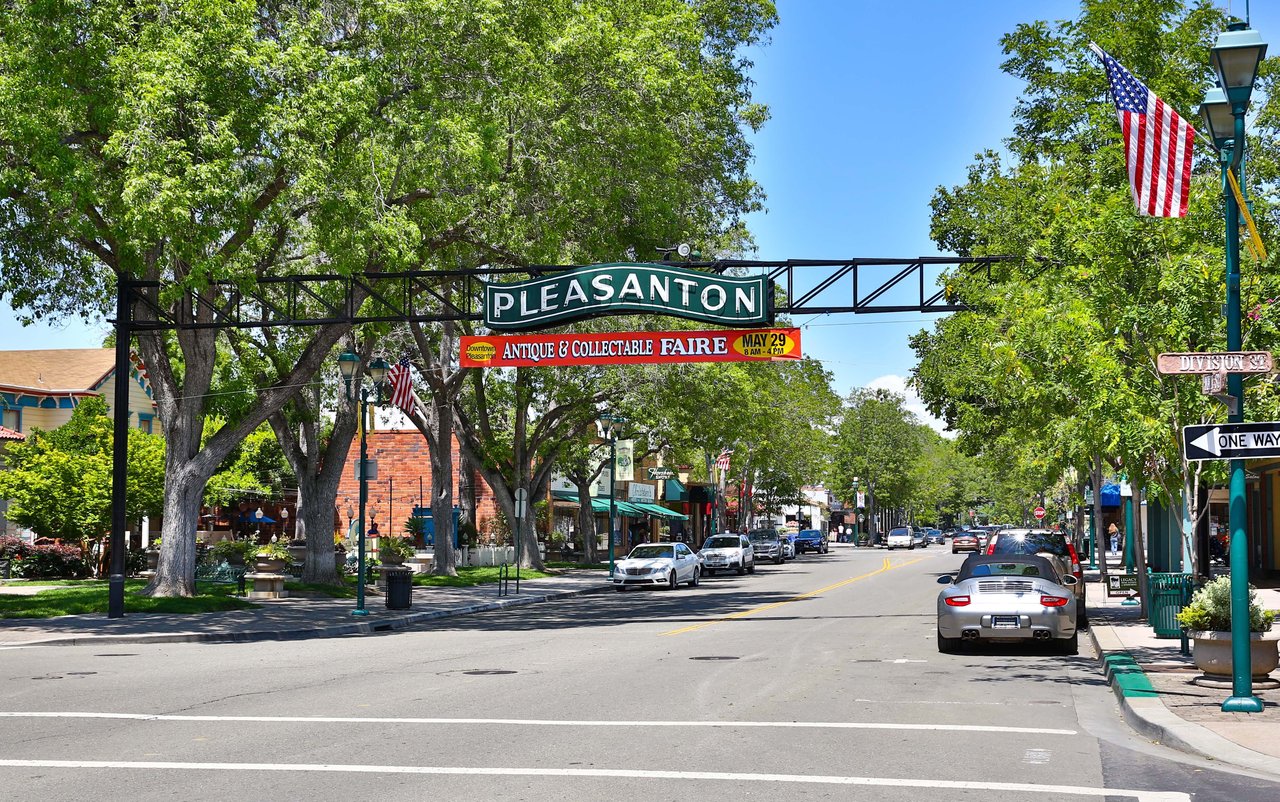
Grey Eagle Estates is best understood as a luxury enclave in Pleasanton’s east hills, not a Monterey neighborhood. Homes here are known for custom designs, larger floor plans, oversized lots, and panoramic ridge or valley views. Armario Homes describes the neighborhood as a gated community with many homes in the roughly 3,500 to 6,000-plus-square-foot range on lots from about half an acre to more than one acre.
That matters because buyers shopping in Grey Eagle Estates are not usually comparing your property to a typical citywide listing. They are looking at estate-style alternatives with similar privacy, views, upgrades, and outdoor living potential. In a market like this, broad Pleasanton averages can help with context, but they should not be the only lens.
Price against direct competitors
Pleasanton market data for the three months ending May 2026 shows homes sold for a median of about $1.49 million, received about three offers on average, averaged 21 days on market, and closed at roughly 100.3% of list price. At the same time, 25.5% of listings had price drops. That mix tells you something important: demand exists, but pricing discipline still matters.
In Grey Eagle Estates, pricing should be tied to homes that truly compete with yours. That includes lot size, view orientation, level of customization, condition, outdoor features, and the age or quality of renovations. A custom property can lose momentum if it is priced as if every upgrade will be valued the same by every buyer.
Why city averages are only a starting point
A broad Pleasanton median does not capture the difference between a standard resale and a gated estate property with a larger parcel and panoramic views. Buyers in this segment often weigh lifestyle value heavily, especially when outdoor living and privacy are part of the package. Your pricing strategy should reflect the actual alternatives a buyer will consider.
Focus on presentation first
Luxury and move-up buyers often begin their search online, which means your home needs to make a strong first impression before a showing is ever scheduled. According to NAR’s 2024 buyer research, photos, detailed property information, floor plans, virtual tours, and videos were among the most useful online tools for buyers who used the internet. In other words, your launch materials are not extras. They are central to the sale.
This is especially true in a neighborhood like Grey Eagle Estates, where buyers are often buying a full living experience. They want to understand the scale of the home, how the rooms connect, where the views are strongest, and how the indoor and outdoor spaces function together. Strong media helps tell that story clearly.
Prepare for broad appeal
The goal is not to erase your home’s personality. The goal is to help buyers picture themselves living there. NAR’s 2025 staging report found that 83% of buyers’ agents said staging made it easier for buyers to visualize a future home.
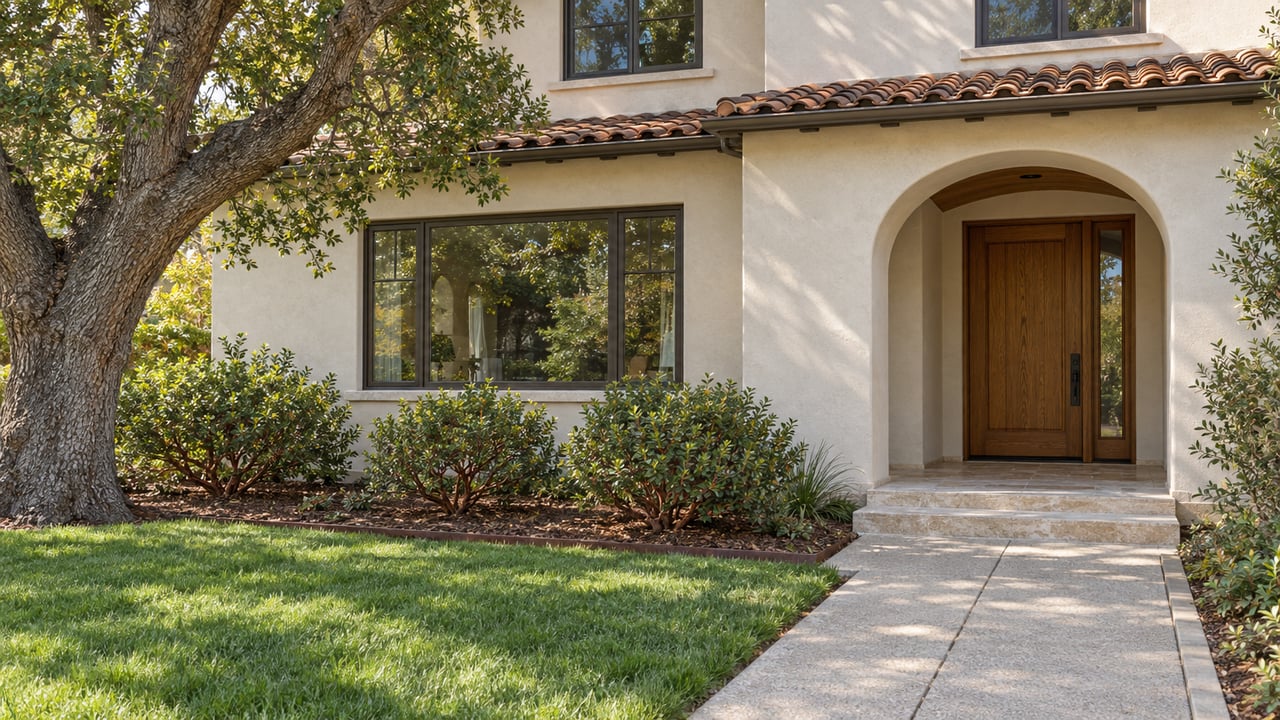
The same report found that the living room, primary bedroom, and kitchen ranked as the most important rooms to stage. Sellers’ agents also commonly recommend decluttering, whole-home cleaning, and curb appeal improvements. Those steps may sound simple, but in a high-end market, simple often reads as polished.
Treat outdoor space like a feature
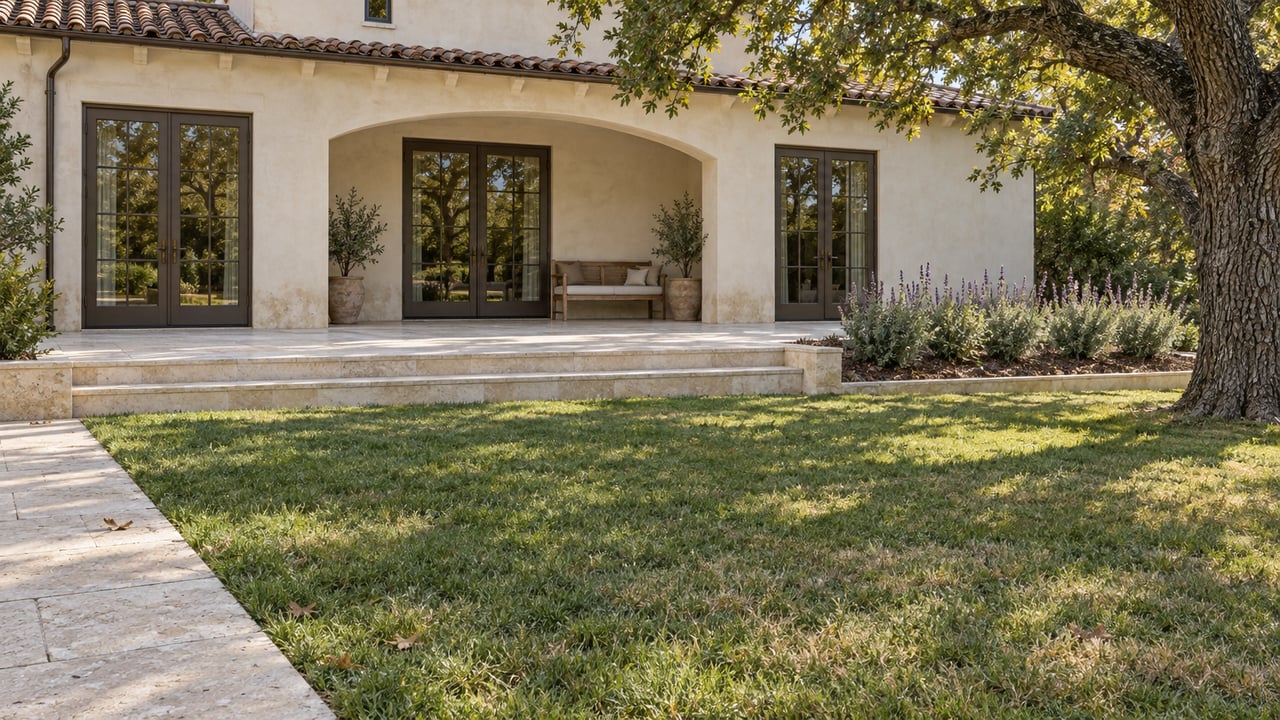
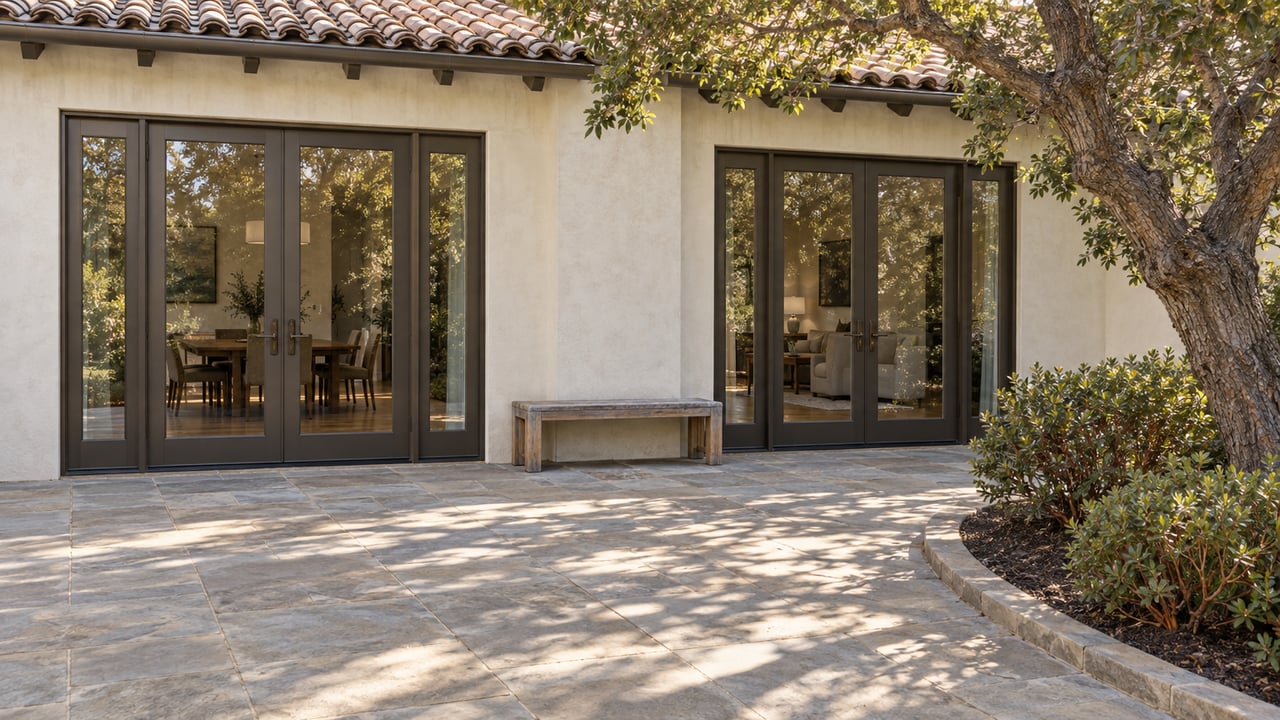
In Grey Eagle Estates, outdoor areas should be part of your main selling strategy, not an afterthought. Pleasanton is tied closely to an outdoor lifestyle, with 46 parks, more than 60 miles of trails, and over 700 acres of undeveloped open space. Pleasanton Ridge Regional Park alone spans 9,090 acres and is known for scenic views and preserved open land.
That local context supports what many buyers already feel when they tour homes here. They are not just evaluating square footage. They are paying attention to terraces, patios, pool areas, landscaping, and the way the home connects to the surrounding setting.
Show how the yard lives
If your property has view corridors, mature landscaping, lounge areas, or room for entertaining, those elements should be styled with purpose. NAR’s staging survey shows that outdoor or yard space is among the areas agents do stage, even if it is less common than key interior rooms. In a view-driven neighborhood, the backyard, patio, or deck should feel usable and inviting.
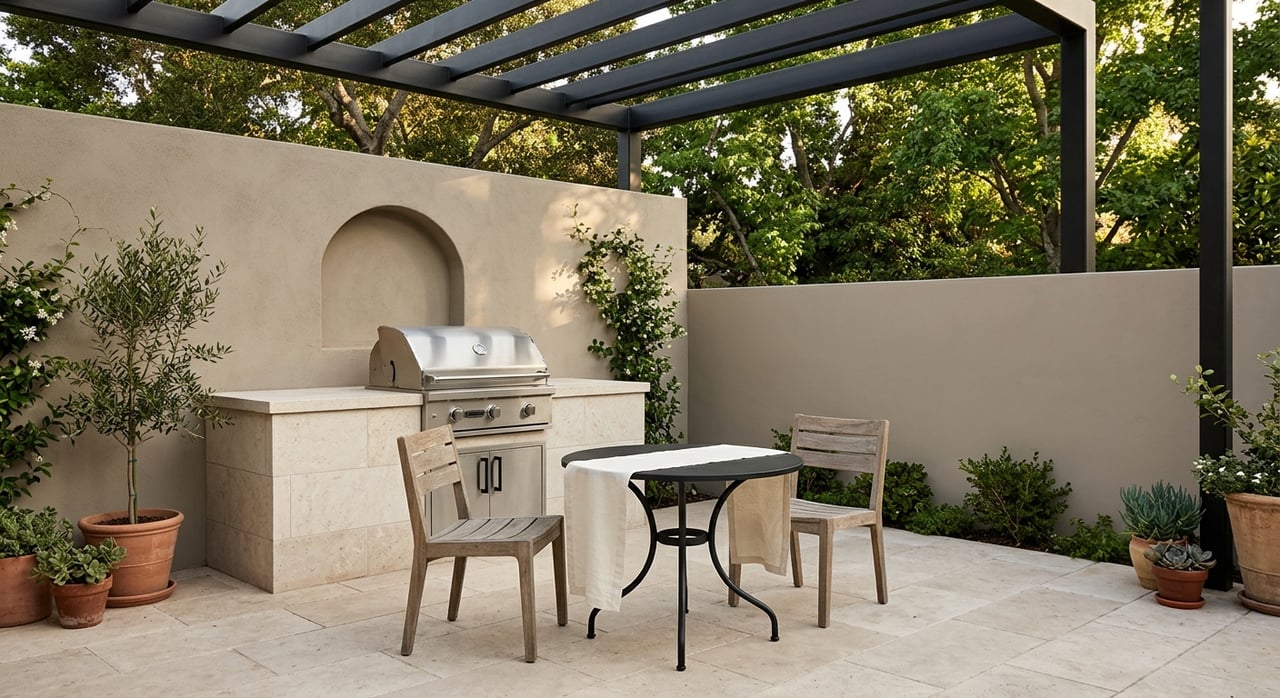
Zillow’s 2026 research also points in the same direction. Buyers are paying more for move-in-ready, lifestyle-driven homes, and outdoor entertaining features like outdoor kitchens and outdoor fireplaces are associated with premiums. If your home has those features, they should be highlighted as part of the overall experience.
Prioritize move-in-ready details
Turnkey presentation matters. Zillow’s 2026 research found that turnkey and remodeled homes sold at premiums relative to expected value, while fixer-uppers sold at a discount. For a Grey Eagle Estates seller, that does not always mean a full renovation, but it does mean being honest about what buyers will notice.
Fresh paint, repaired finishes, updated lighting, deep cleaning, and landscaping refreshes can all support a stronger launch. When a buyer is considering a high-value home, deferred maintenance can raise questions about overall upkeep. Small issues can end up affecting the buyer’s confidence more than you expect.
Where to spend attention first
Focus on the spaces that influence both online impressions and in-person showings:
- Entry and curb appeal
- Living room
- Kitchen
- Primary bedroom
- Primary bathroom
- Main outdoor entertaining areas
- View-facing windows, decks, or terraces
NAR’s 2025 staging survey reported a median spend of $1,500 for professional staging services. Your actual needs may differ, but that figure can be a useful planning reference as you build your prep budget.
Time the launch around readiness
Many sellers ask when they should go live. Zillow’s national research found that homes listed in late May tended to sell for about 1.7% more. That is not a guarantee, but it offers a helpful benchmark.
For Pleasanton and Grey Eagle Estates, late spring often aligns well with stronger natural light and more attractive outdoor presentation. Still, the bigger principle is not to rush the market if your home is not fully ready. Waiting until the grounds look their best, the interior is polished, and the photography is complete is often the smarter move.
Why preparation beats speed
A custom estate home usually gets one chance to make a clean market debut. If the first photos are underwhelming or the yard is not show-ready, you may lose momentum with buyers who were willing to pay attention. In a market where more than a quarter of listings saw price drops, a thoughtful launch can matter as much as timing.
Build a coordinated selling plan
Selling a Grey Eagle Estates home today involves more moving parts than many sellers expect. You may need to coordinate preparation work, cleaning, staging, photography, floor plans, video, showings, feedback, and negotiation. That process can feel overwhelming if you are trying to manage every step yourself.
This is where a team-based approach can help keep things organized. Based on current buyer behavior, sellers often benefit from coordinated support that keeps home prep, marketing, and launch timing aligned. The goal is not just to put a home on the market. It is to bring it to market with clarity and consistency.
Keep the process grounded
It is easy to focus only on the final sale price, but the path to that result matters too. Preparation, presentation, timing, pricing discipline, and coordinated marketing all work together. When one piece is weak, the others have to work harder.
If you are preparing to sell in Grey Eagle Estates, start by stepping back and looking at your home through a buyer’s eyes. Ask what stands out, what needs refinement, and what story the home tells from the first photo to the final showing. That kind of honest planning often creates a smoother and more confident sale.
When you are ready to map out the right strategy for your property, connect with Armario Homes for a free consultation.
FAQs
What makes selling in Grey Eagle Estates different from selling elsewhere in Pleasanton?
- Grey Eagle Estates is a custom-home enclave where buyers often compare homes based on lot size, views, privacy, upgrades, and outdoor living, not just general Pleasanton averages.
How should you price a home in Grey Eagle Estates?
- You should price against direct comparable estate properties with similar parcels, customization, condition, and view orientation, while using citywide data only as a starting point.
What rooms matter most when preparing a Grey Eagle Estates home for sale?
- Based on NAR staging research, the living room, kitchen, and primary bedroom are especially important, and outdoor spaces also deserve attention in a view-oriented neighborhood.
Why does outdoor space matter so much for Grey Eagle Estates listings?
- Pleasanton’s strong connection to parks, trails, open space, and scenic living means buyers often respond to patios, terraces, pools, landscaping, and indoor-outdoor flow.
When is the best time to list a home in Grey Eagle Estates?
- Late spring can be a strong benchmark because of better light and outdoor presentation, but your best listing date is when the home, grounds, and marketing materials are fully ready.
Is staging worth it for a Grey Eagle Estates home sale?
- Staging can help buyers visualize the home more easily, and NAR found that 83% of buyers’ agents said staging improved that experience.