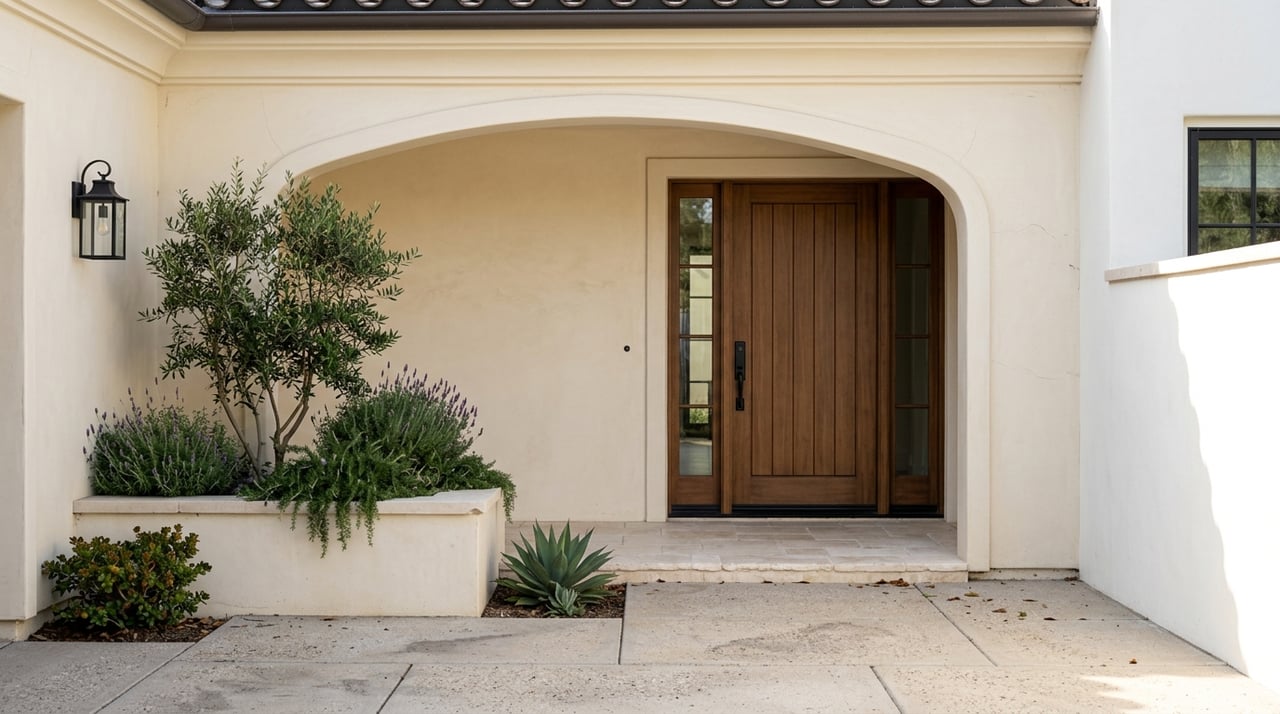
If you want a Pleasanton neighborhood that balances newer homes, practical yard space, and quick access to the outdoors, Canyon Oaks deserves a closer look. For many buyers, the challenge is finding a home that feels spacious and connected without jumping to an estate-sized property or a more remote setting. This guide will help you understand what Canyon Oaks offers, who it tends to fit best, and how it compares with nearby options so you can decide if it matches your goals. Let’s dive in.
Where Canyon Oaks Is in Pleasanton
Canyon Oaks is generally considered part of Pleasanton’s Bernal Property, also called East Bernal. A local neighborhood guide places it on the eastern edge of the Bernal Property near Hearst Elementary and identifies it as a KB Homes neighborhood built in the early 2000s alongside Walnut Hills. You can see that local context in this Bernal Property neighborhood overview.
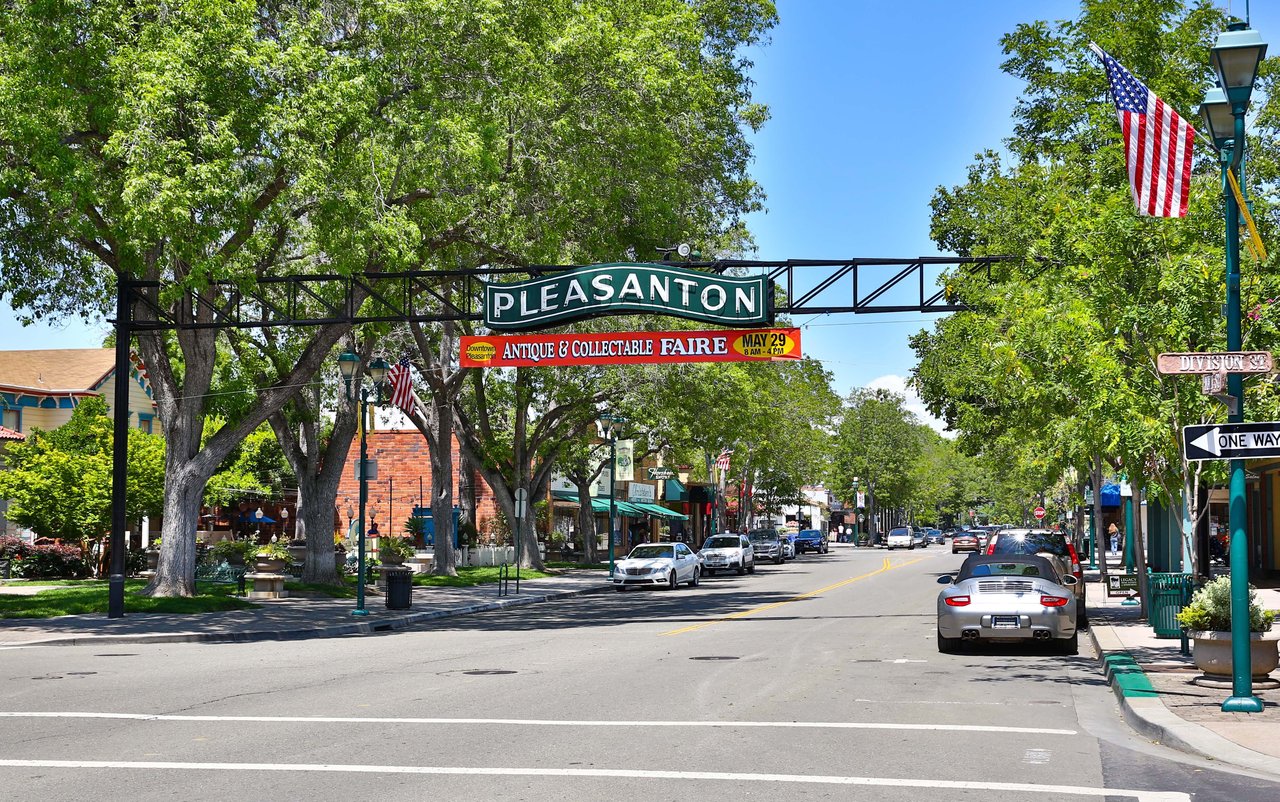
That location matters because Canyon Oaks feels ridge-adjacent without being cut off from the rest of Pleasanton. Instead of reading like a remote hillside community, it offers a more connected suburban setting with access to major roads, city amenities, and nearby open space.
Canyon Oaks Lifestyle and Outdoor Access
One of the biggest draws of Canyon Oaks is its connection to open space. The City of Pleasanton’s Augustin Bernal Trail brochure and map shows Augustin Bernal Community Park at the top of Golden Eagle Way, with connections to Longview Drive and the Ridgeline Trail.
The city describes Augustin Bernal as a 237-acre open-space community park with hiking, biking, and equestrian trails. For buyers who want easier access to outdoor recreation, that nearby trail system is a meaningful advantage.
On a broader level, Pleasanton offers a strong parks and trails network. According to the city’s parks and trails page, Pleasanton has 46 community and neighborhood parks, more than 60 miles of trails, and over 700 acres of undeveloped open space.
That helps explain why neighborhoods near the ridge continue to attract attention. You get the convenience of suburban living with a stronger connection to open space than many standard tract neighborhoods offer.
What Homes in Canyon Oaks Tend to Offer
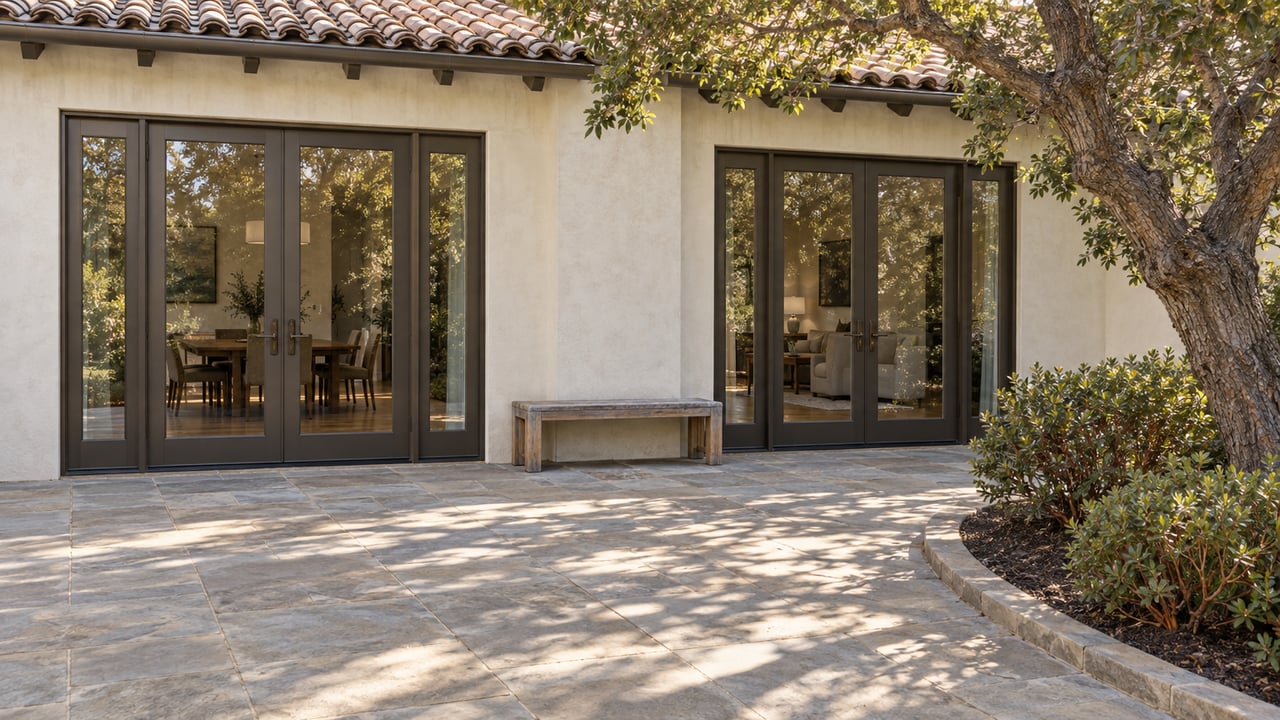
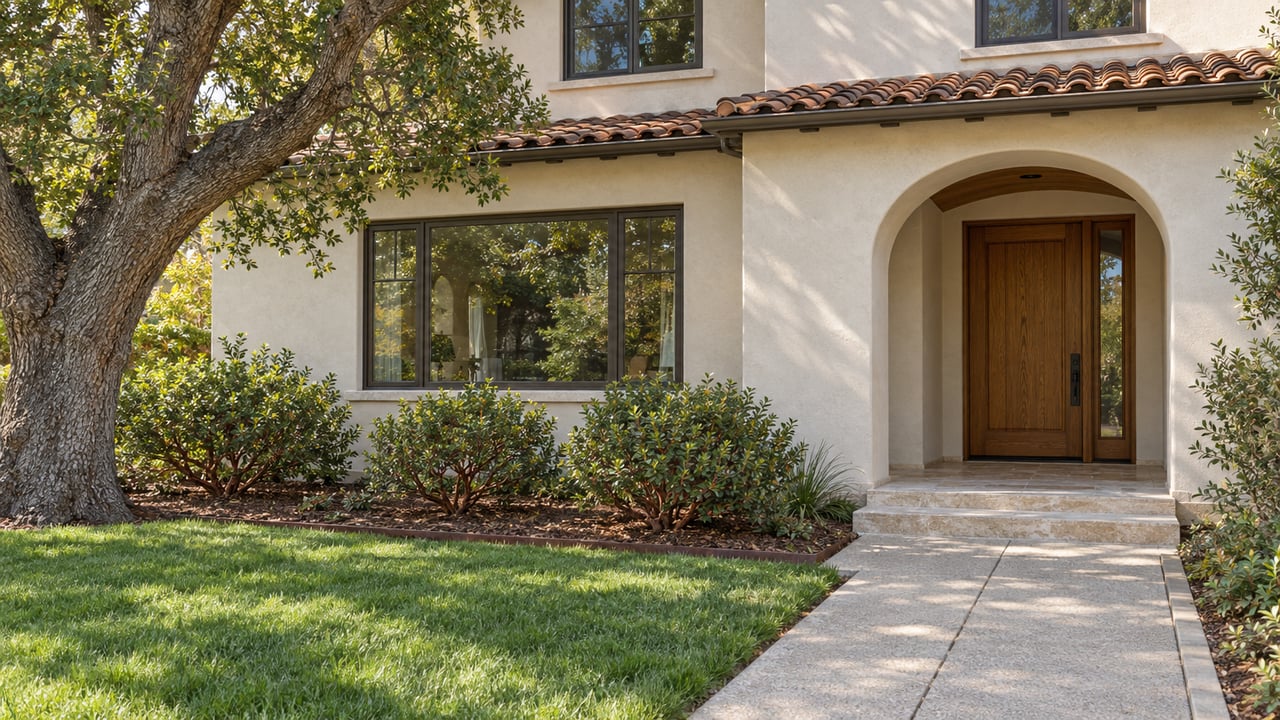
Canyon Oaks appears to be a neighborhood of detached single-family homes built mostly in the early 2000s. Public listing examples point to homes built in 2002, 2003, and 2004, which gives the neighborhood a newer feel compared with many older Pleasanton areas. One example can be seen in this recent Canyon Oaks listing history.
Based on listing examples, homes here often include 3 to 5 bedrooms and 2.5 to 4 bathrooms. You also tend to see floor plans with family rooms off the kitchen, breakfast nooks, bonus spaces, and open kitchen and living areas, as shown in this Canyon Oaks property example.
That layout style can work well if you want flexible everyday living. Whether you need room for work, guests, hobbies, or a changing household setup, these floor plans often provide more options than older, more segmented homes.
Lot Sizes and Outdoor Living
Canyon Oaks is not an acreage neighborhood, but it can still offer useful outdoor space. Recent listing examples show lot sizes around 4,718 square feet, 5,000 square feet, and up to a premium 9,730 square foot parcel, based on the same listing example data.
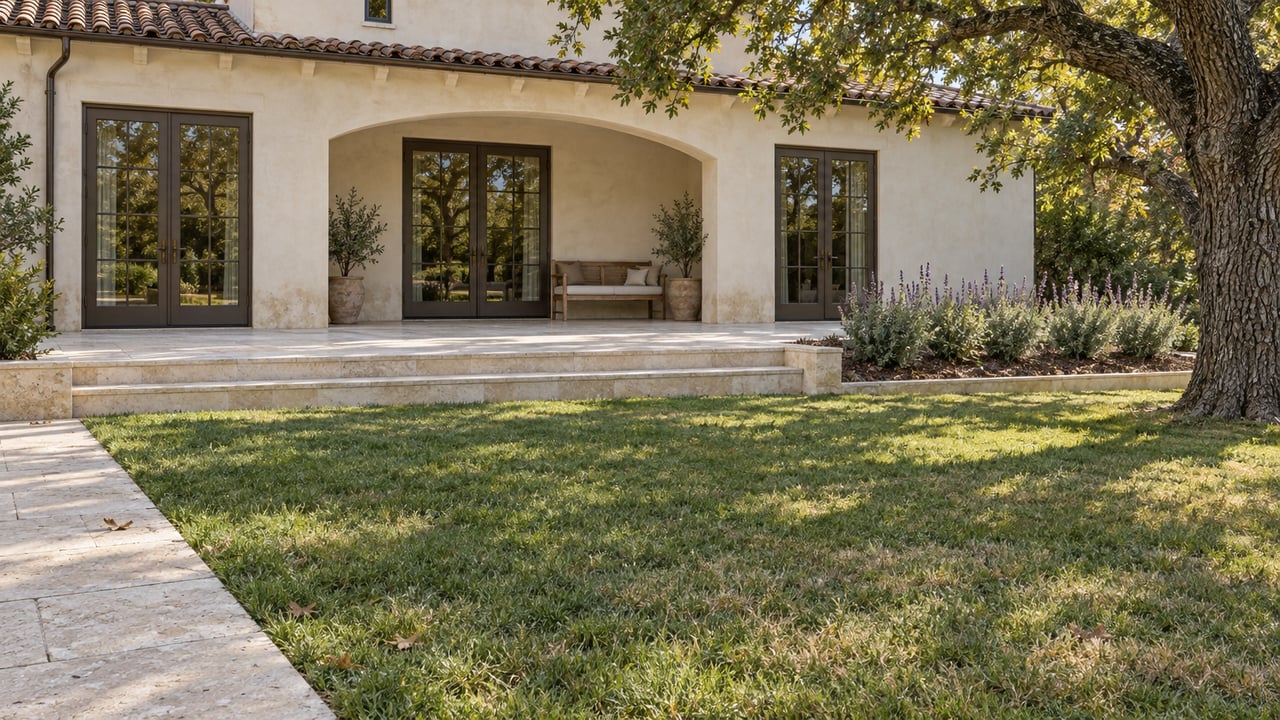
In practical terms, that usually means more manageable lots than estate communities, but often enough room for entertaining, gardening, or everyday outdoor use. Listing examples have included fenced backyards, side yards, play and garden areas, pergolas, spas, and built-in BBQ features, as shown in this home feature example.
If you want indoor-outdoor living without the maintenance demands that can come with much larger parcels, this balance may appeal to you.
Commute and Transportation Benefits
Another reason Canyon Oaks stands out is Pleasanton’s regional access. The city notes that Pleasanton sits at the intersection of I-580 and I-680, which supports commuting across the Tri-Valley and beyond. The city’s economic development overview also highlights that location advantage.
Pleasanton also has strong transit options for a suburban market. According to the city’s public transit page, there are two BART stations along I-580, West Dublin/Pleasanton and Dublin/Pleasanton, along with ACE Rail service from Pleasanton and Capitol Corridor service in the broader area.
For Canyon Oaks buyers, that means you are not choosing between outdoor access and commute convenience. The neighborhood can offer both, which is part of its appeal for relocators and move-up buyers.
Who Canyon Oaks May Fit Best
Canyon Oaks tends to make the most sense for buyers who want more square footage, modern layouts, and outdoor living space without moving into a much larger estate setting. It can be especially appealing if you value a newer home style and want to stay connected to Pleasanton’s transportation network and trail system.
This neighborhood may also work well if you are relocating and want a home that combines suburban comfort with practical access to BART, freeways, and outdoor recreation. That combination is not always easy to find in one package.
On the other hand, Canyon Oaks may be a less natural fit if your top priority is a half-acre-plus lot, a heavily wooded setting, or a fully custom hillside home. In that case, another Pleasanton-area neighborhood may line up better with your goals.
How Canyon Oaks Compares Nearby
Canyon Oaks vs. Walnut Hills
Walnut Hills is the closest comparison. A local guide says both Canyon Oaks and Walnut Hills were KB Homes neighborhoods within the Bernal Property, with Walnut Hills built in 2002 to 2003 and Canyon Oaks in 2003 to 2004. That same guide describes Walnut Hills homes as roughly 2,300 to almost 3,000 square feet, while Canyon Oaks homes are described as about 2,400 to 3,400 square feet, with 2- and 3-car garages, including some detached garages. You can review that side-by-side context in this Walnut Hills and Canyon Oaks comparison.
The City of Pleasanton’s Urban Forest Master Plan lists Canyon Oaks at 16% canopy cover and Walnut Hills at 20.9%. That suggests Canyon Oaks may feel a bit newer and less tree-mature than Walnut Hills.
Canyon Oaks vs. Deer Oaks and Twelve Oaks
If you want larger lots and a more custom-home feel, Deer Oaks and Twelve Oaks may be stronger matches. According to Armario Homes’ Deer Oaks and Twelve Oaks neighborhood guide, those neighborhoods include custom and semi-custom homes generally developed from the 1980s through the early 2000s, with homes often ranging from 2,500 to 4,000-plus square feet and lot sizes averaging about 10,000 to over 20,000 square feet.
That is a clear jump in lot size compared with Canyon Oaks. If your priority is more land and added separation between homes, those neighborhoods may be worth exploring.
Canyon Oaks vs. Castlewood
Castlewood is a very different product type. The Castlewood Property Owners Association describes that community as being outside Pleasanton in unincorporated Alameda County on 500 private acres dominated by Pleasanton Ridge, with properties ranging from ranch-style homes on half-acre parcels to larger estates.
In simple terms, comparing Canyon Oaks with Castlewood is less about choosing between similar neighborhoods and more about choosing between a move-up neighborhood and an estate-oriented hillside community. Your decision comes down to whether you want manageability and connectivity or a larger-property setting.
Price Point and Market Position
Public sale examples place Canyon Oaks in Pleasanton’s move-up segment. One recent sale closed at $2,350,000 for a 3,365 square foot home on a 9,730 square foot lot, while another sold for $2,010,000 at 3,668 square feet, according to this recent Canyon Oaks sale example.
Those examples help frame the neighborhood’s position in the market. Canyon Oaks is not entry-level, and it is not trying to compete with Pleasanton’s largest estate communities. Instead, it tends to attract buyers looking for a higher-value suburban home with modern space, usable yards, and a strong Pleasanton location.
So, Is Canyon Oaks Right for You?
Canyon Oaks may be the right Pleasanton neighborhood for you if you want a home from the early 2000s, a flexible floor plan, manageable outdoor space, and quick access to trails, freeways, and transit. Its biggest strength is balance. You get room to grow and enjoy the outdoors without taking on the scale or maintenance of a much larger estate property.
If you are still comparing neighborhoods in Pleasanton, having local guidance can make the decision much easier. The right fit depends on how you weigh home size, lot size, commute patterns, and lifestyle priorities. If you want help comparing Canyon Oaks with other Pleasanton neighborhoods, connect with Armario Homes to schedule a free consultation.
FAQs
What type of homes are common in Canyon Oaks, Pleasanton?
- Canyon Oaks is generally known for detached single-family homes built in the early 2000s, with many listing examples showing 3 to 5 bedrooms, 2.5 to 4 bathrooms, and flexible layouts with open kitchen and family spaces.
How large are lots in Canyon Oaks, Pleasanton?
- Recent listing examples show Canyon Oaks lot sizes around 4,718 to 5,000 square feet, with some premium lots reaching about 9,730 square feet.
Is Canyon Oaks, Pleasanton close to trails and parks?
- Yes. Canyon Oaks benefits from access to Augustin Bernal Community Park and its connected hiking, biking, and equestrian trails, plus Pleasanton’s broader network of parks and trails.
How does Canyon Oaks compare with Walnut Hills in Pleasanton?
- Canyon Oaks and Walnut Hills are both early-2000s KB Homes neighborhoods in the Bernal Property area, but Canyon Oaks is generally described as having somewhat larger homes while Walnut Hills appears to have slightly greater tree canopy coverage.
Is Canyon Oaks, Pleasanton a good fit for buyers seeking estate-sized lots?
- Usually not. Canyon Oaks tends to suit buyers who want a move-up home with manageable yard space rather than half-acre-plus lots or a custom estate setting.